CNC Machining
CNC Milling vs. CNC Turning: Which Process Fits Your Part?
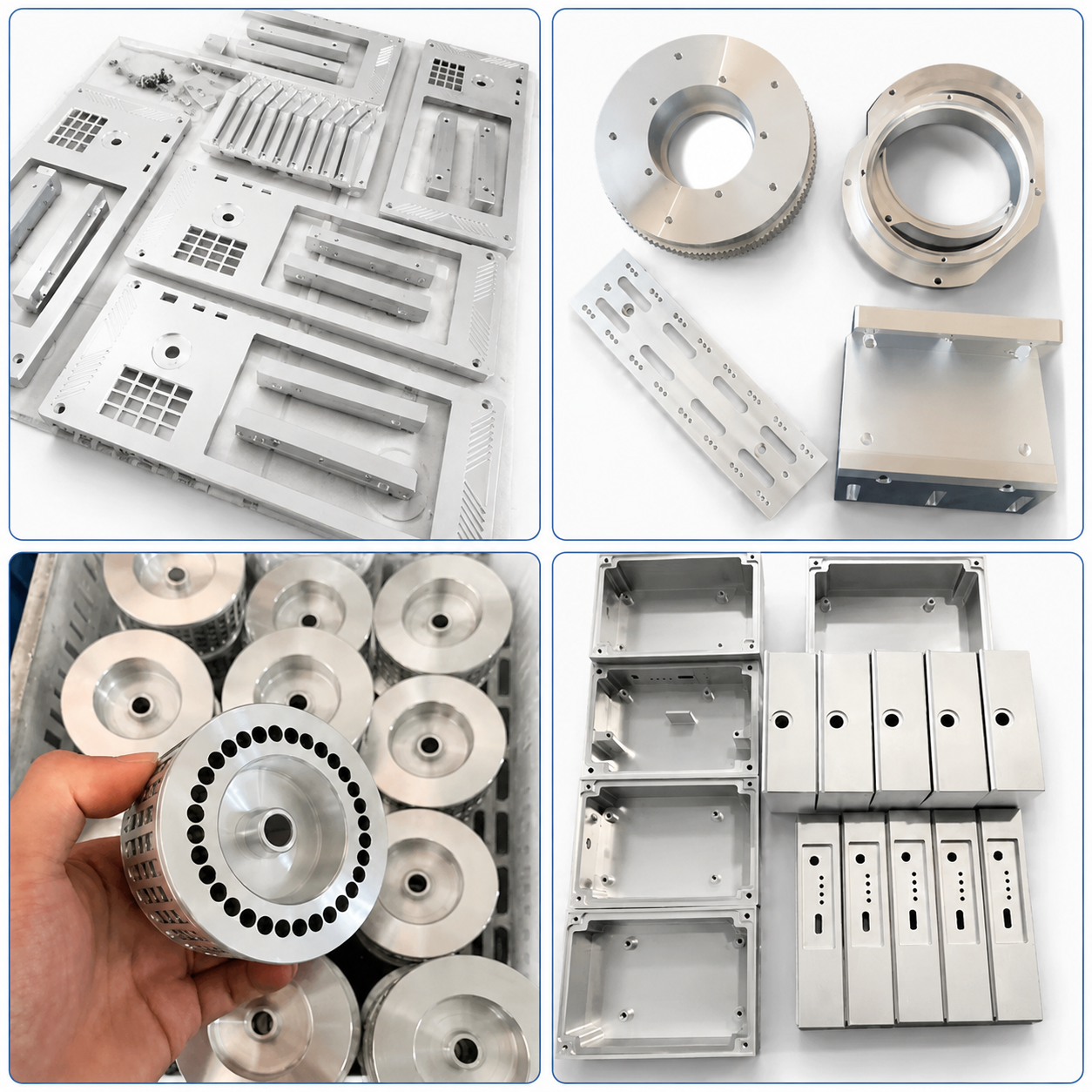
Part geometry usually decides whether milling, turning, or a combined route is the most practical choice.
This article is demonstration content. Replace example figures and process limits with verified engineering data before publication.
Use turning for rotational geometry
Shafts, bushings, pins, sleeves, spacers, and parts dominated by diameters are natural turning candidates.
Use milling for prismatic geometry
Housings, plates, brackets, pockets, slots, and complex multi-face features normally favor milling.
Many parts need both processes
A turned body may need cross holes or flats, while a milled component may include precision bores. Review the complete feature set before choosing a route.
Quote from function, not process preference
If the drawing does not mandate a process, allow the supplier to propose the route that best balances access, setup count, tolerance, and cost.
Practical next step: Send the CAD model, drawing, material, quantity, finish, and application notes for a project-specific review.