Process Comparison
Vacuum Casting vs. Injection Molding for Low-Volume Parts
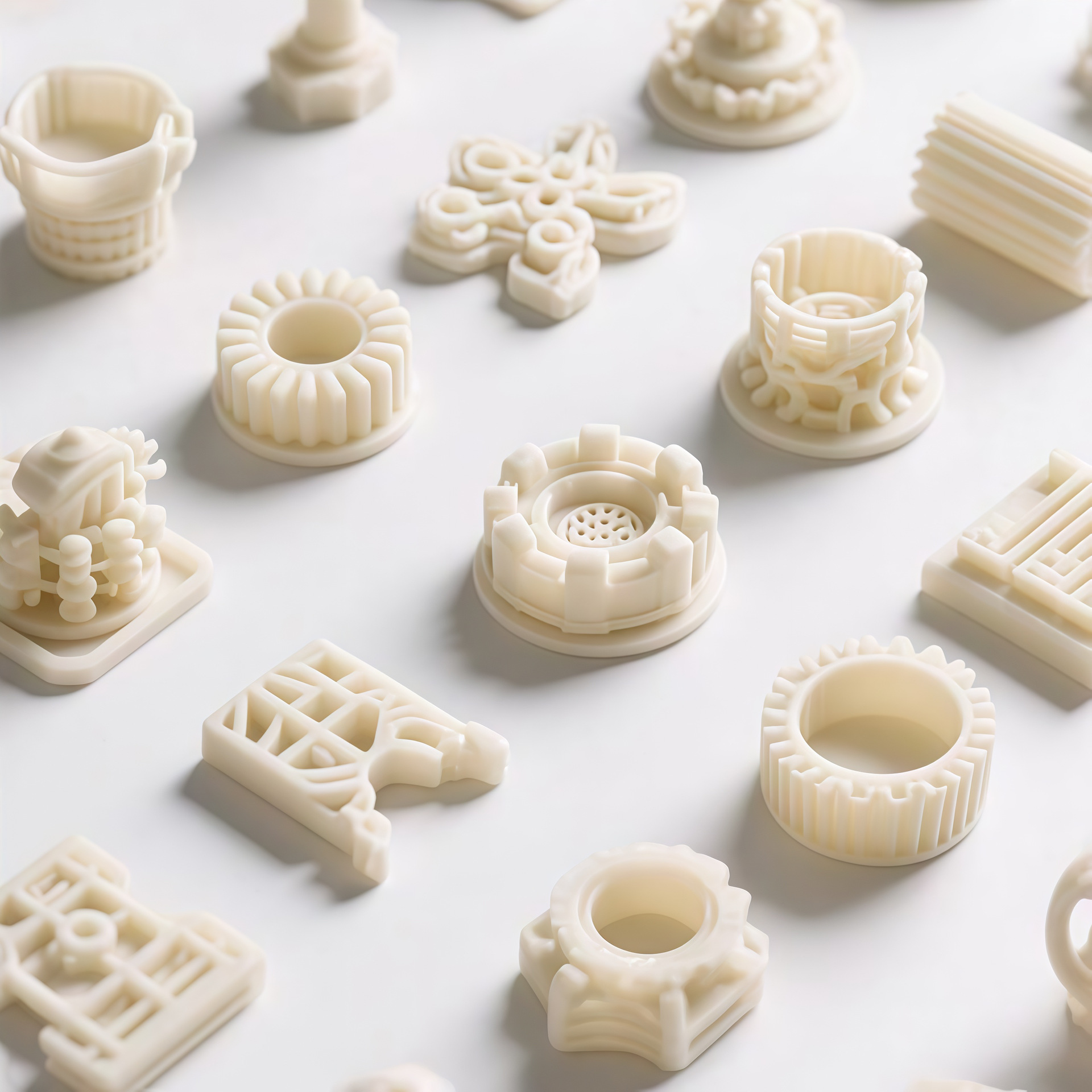
The best route depends on quantity, material intent, geometry stability, finish, and whether the design is ready for hard tooling.
This article is demonstration content. Replace example figures and process limits with verified engineering data before publication.
Vacuum casting lowers the tooling commitment
Silicone molds can support small batches of appearance or functional urethane parts when production-grade resin is not yet required.
Injection molding improves repeatability at volume
Aluminum or steel tooling costs more upfront but supports production thermoplastics, tighter process control, and lower unit cost as quantity grows.
Design maturity matters
Vacuum casting is more forgiving during iteration. Injection tooling should begin after wall thickness, draft, gate, and parting-line decisions are stable.
Compare total project cost
Evaluate tooling, unit price, likely revisions, inspection, finish, and schedule together instead of comparing only the per-part number.
Practical next step: Send the CAD model, drawing, material, quantity, finish, and application notes for a project-specific review.