3D Printing
When to Use 3D Printing Before CNC Machining or Tooling
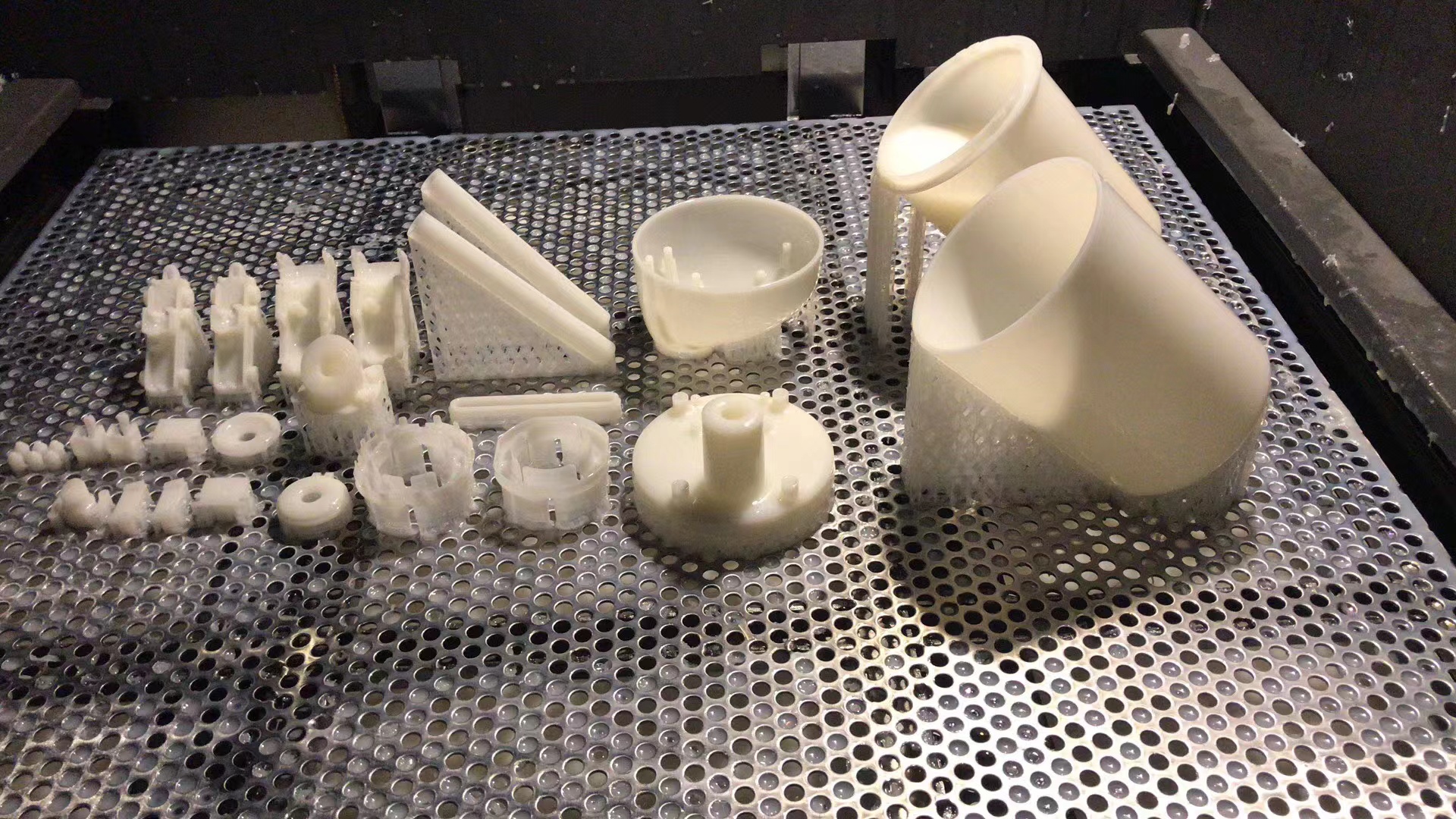
Additive parts can answer fit, ergonomics, and geometry questions before committing to machining or mold tooling.
This article is demonstration content. Replace example figures and process limits with verified engineering data before publication.
Validate shape and assembly first
Fast printed models are useful for packaging studies, hand feel, cable routing, component clearance, and early stakeholder review.
Choose a functional print when behavior matters
Material, print orientation, wall thickness, and post-processing influence strength and accuracy. Match the print route to the test.
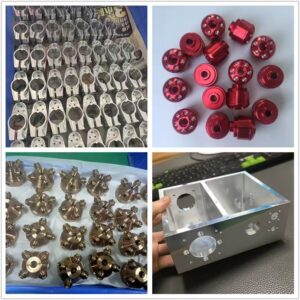
Move to CNC when final material matters
Machining is often the better step when the prototype must use production-intent metal or plastic, hold tighter features, or represent final surface behavior.
Use printed patterns to bridge processes
Printed masters can also support silicone molding, presentation models, or hybrid workflows before production tooling.
Practical next step: Send the CAD model, drawing, material, quantity, finish, and application notes for a project-specific review.