CNC Machining Guide
How to Choose the Right CNC Machining Tolerance for Custom Parts
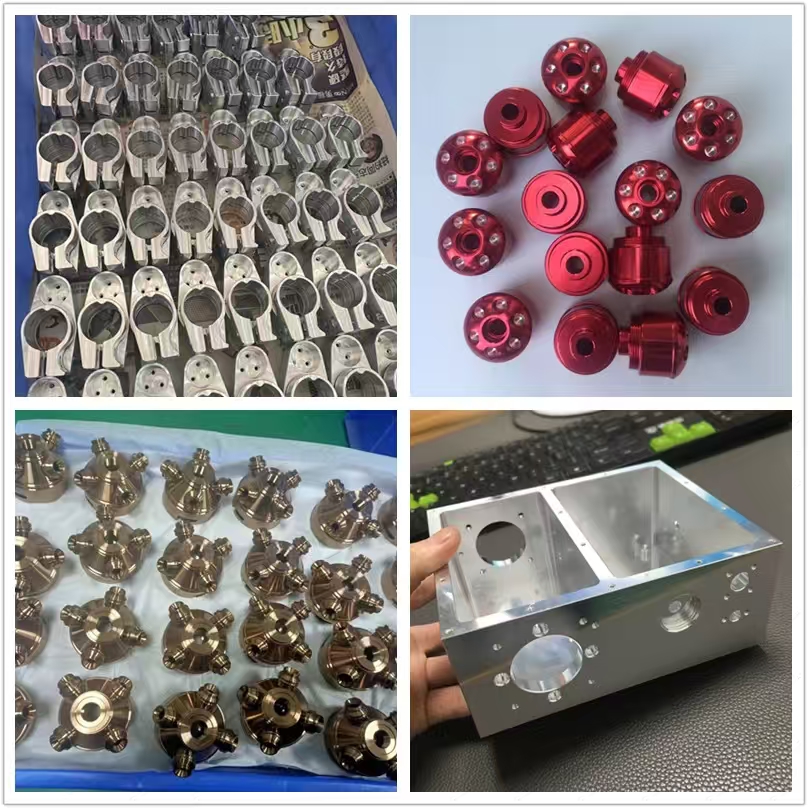
Choosing a CNC machining tolerance is not simply about asking for the tightest number possible. Tighter tolerances usually increase machining time, inspection requirements, scrap risk, and cost. A good tolerance should match the actual function of the part.
A supplier that reviews the drawing before quoting can flag tolerance, material, or geometry issues while they are still cheap to fix — not after parts are already cut.
Why CNC Tolerance Matters
Tolerance affects fit, assembly, movement, sealing, strength, appearance, and cost. For a prototype, the goal may be functional validation. For a production part, the goal may be repeatability and long-term consistency.
- Overly loose tolerances can create fit or assembly problems.
- Overly tight tolerances can increase cost without improving performance.
- Clear drawings reduce supplier questions and quotation delays.
Key Factors That Influence Tolerance
Material
Aluminum, stainless steel, brass, copper, POM, PC, PMMA, and PEEK behave differently during machining. Material hardness, heat sensitivity, and internal stress can affect dimensional stability.
Part Geometry
Thin walls, deep pockets, long slender features, sharp internal corners, and complex setups may make tight tolerances more difficult to hold.
Function
Critical features such as bearing seats, threaded interfaces, sealing surfaces, and assembly datums should be defined clearly. Cosmetic or non-functional surfaces usually do not need the same tolerance level.
How to Specify Tolerances in an RFQ
- Provide both 3D CAD files and 2D drawings.
- Mark critical dimensions directly on the drawing.
- Separate cosmetic requirements from functional requirements.
- Define material, finish, quantity, and application environment.
- Tell the supplier if an inspection report is required.
What a Good Supplier Should Review
A manufacturing supplier should review the part design before quoting. At QuickProtoMFG, we check material, geometry, machining access, tolerance feasibility, surface finish, inspection needs, and packaging requirements before recommending a production route.
FAQ
Should every dimension use a tight tolerance?
No. Tight tolerances should be used only where they affect fit, function, assembly, or performance.
Can tolerance affect price?
Yes. Tight tolerances may require slower machining, additional setups, more inspection, and higher scrap control.
What files should I send for quotation?
Send 3D CAD files, 2D drawings, material, quantity, surface finish, tolerance requirements, and application notes.
QuickProtoMFG Engineering Team
Custom manufacturing support for CNC machining, 3D printing, vacuum casting, injection molding, finishing, inspection, and export delivery.
Article Sections
Need DFM Review?
Send your drawings and tell us the critical dimensions, material, quantity, and surface finish requirements.
Related Services
Related Article Ideas
Related reading for the same project decision.
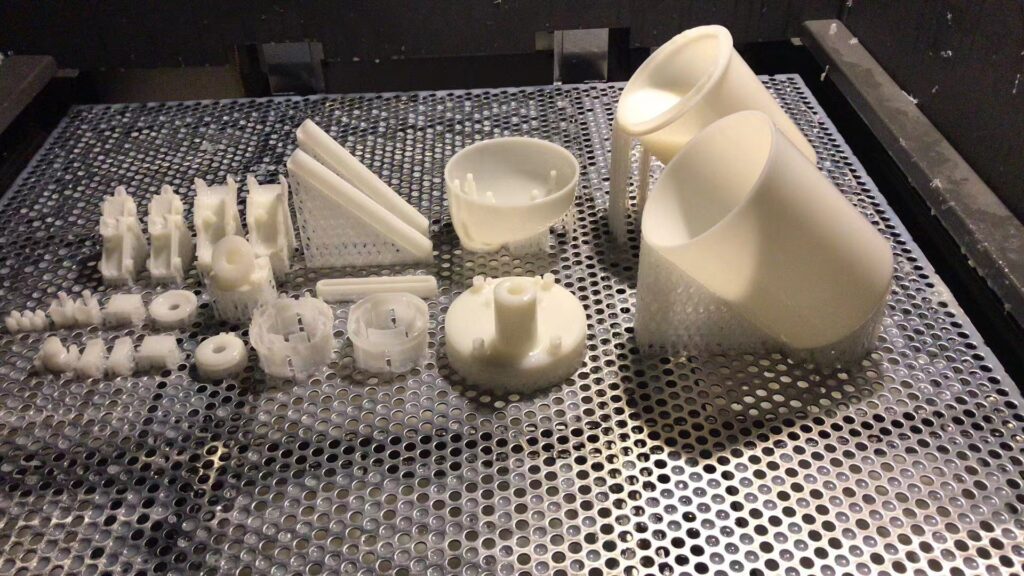
When to Use 3D Printing Before CNC Machining
Compare speed, geometry, materials, and design iteration value.
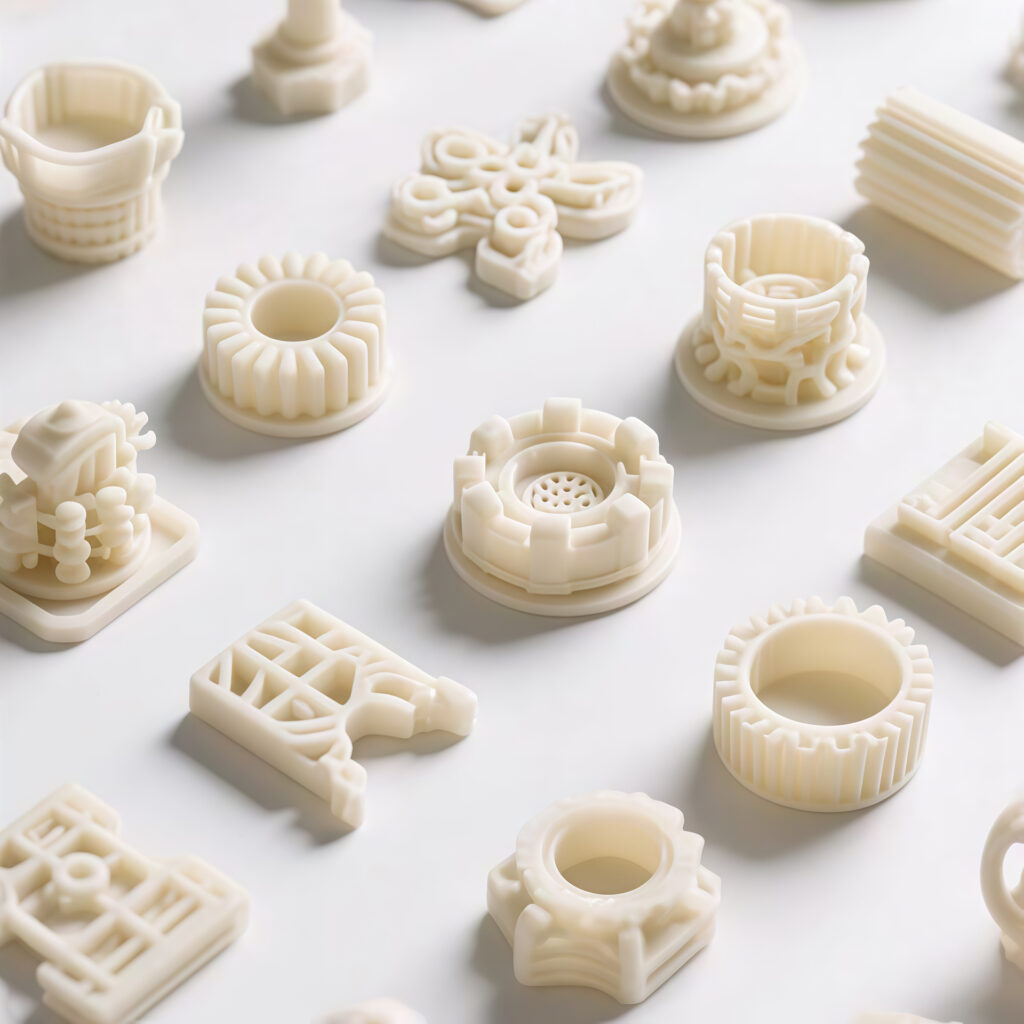
Vacuum Casting vs. Injection Molding
Choose the right path for low-volume plastic parts.

What Is Included in an Inspection Report?
Explain measurement records, material certificates, and traceability.
From Article To Project
Send your part files for practical tolerance review.
We can review your drawings and recommend a manufacturing route based on material, geometry, tolerance, finish, and quantity.